Moxie Matches: Universities with Co-ops
When people hear “co-op program,” Northeastern often comes to mind. But it is not the only school doing it well.
Drexel University and University of Cincinnati have built entire undergraduate experiences around the idea that learning should not stay in the classroom.
At both, co-ops are not optional extras.
They are the structure.
The Model: Co-Op Experience Built In
At these schools, students are not waiting until junior or senior year to think seriously about their future careers.
They are stepping into them early and often.
Multiple semesters of full-time work are woven directly into the academic calendar. Students alternate between coursework and professional experience, sometimes several times before graduation.
That changes the entire rhythm of college. Instead of four consecutive years on campus, the experience becomes a cycle: learn, apply, return, refine.
The outcome is not just a stronger resume.
Students test industries. They try different roles. They learn what they like, what they do not, and where they see themselves long-term. By the time graduation arrives, many are not guessing about next steps. They have already experienced them.
Drexel: Structured, Fast-Paced, and City-Integrated
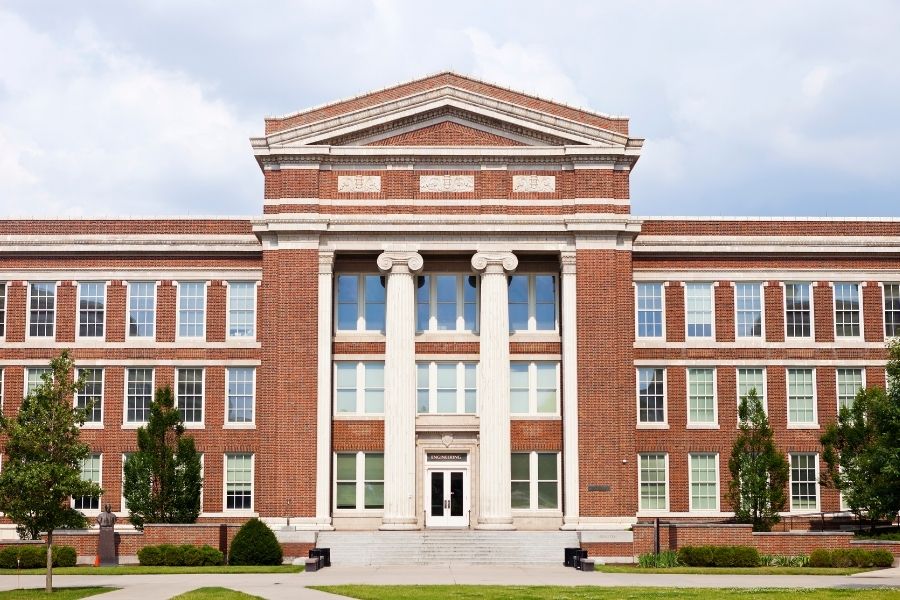
At Drexel University, the co-op model is highly structured and deeply embedded into the student experience.
Located in Philadelphia, Drexel takes full advantage of its urban setting. The city becomes an extension of campus, with co-op placements often just blocks away in hospitals, engineering firms, media companies, startups, and corporate offices.
Most students complete multiple co-ops, often three or more, and many of these roles are paid. That means students are not only gaining experience, but also building financial independence and professional networks along the way.
The pace is intentional.
Students move quickly between academic terms and professional environments, learning how to adapt, communicate, and perform in real-world settings early in their college careers.
Cincinnati: Flexible, Exploratory, and Broad in Scope
At University of Cincinnati, the co-op philosophy is just as central.
Cincinnati was actually one of the pioneers of the co-op model, and that legacy shows in the breadth of opportunities available to students.
Co-op placements span industries and geographies, with students sometimes working in different cities or even internationally. Many students rotate through varied roles across their co-op terms, allowing them to explore multiple career paths before committing to one direction.
This creates a slightly different kind of momentum.
Students are not just building experience within one track. They are actively refining their interests and making more informed decisions about their future.
The Shared Thread: Co-Op Experience Creates Real-World Momentum
Students drawn to Drexel and Cincinnati are often looking for something specific.
They are energized by the idea of stepping into professional environments, applying what they are learning, and returning to the classroom with a clearer sense of purpose.
By graduation, these students often have more than just a degree. They have a portfolio of experience, a network of professional contacts, and a level of confidence that comes from having already navigated the workplace.
For students who want an education that feels immersive, practical, and directly tied to career outcomes, Drexel University and University of Cincinnati offer something distinct: a built-in head start.
If you’re exploring colleges with co-op programs or trying to determine which universities align with your goals, Moxie College Counseling can help you find the right fit. Contact us to start your college search with confidence.
Share this article
Follow us
Latest articles

Reading Time : 5 mins
Reading Time : 3 mins

Reading Time : 4 mins